

What a beautiful notion. The RIKEN Center for Emergent Matter Science (I like that name) in Japan has come up with this bag made of plastic that dissolves in seawater and is actually good for the ocean floor. Cost? Is it really being implemented? What countries are taking it up? What else might this inspire? I don't have those answers. Here's the technical explanation, for our chemists: "The plastic is made using a novel combination of sodium hexametaphosphate, a food-safe additive, and guanidinium-based monomers. These components create salt bridges that hold the plastic’s structure together until exposed to seawater."
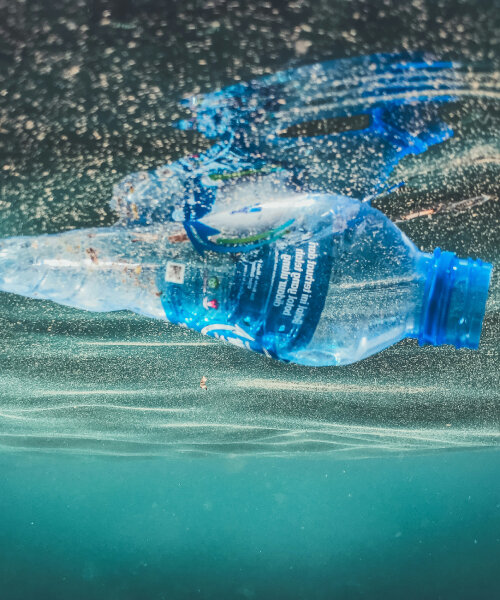
In soil, it breaks down completely in about ten days and releases nutrients like phosphorus and nitrogen, which are key to promoting plant growth and boosting soil fertility. It’s non-toxic, non-flammable, and carbon-neutral so it contributes positively to the environment rather than causing harm (this pic shows ocean floor of today, like one large underwater landfill).

What else might this invention inspire? Well, in agriculture, it can be used for biodegradable mulch films and seed coatings. In marine environments, it offers a sustainable alternative for fishing nets and ropes that would otherwise contribute to “ghost gear” pollution.
And of course it holds promise for food containers, disposable cutlery, and eco-friendly packaging. It can really support the “No more plastic” effort that’s been so hard to propel forward. I sure hope it gets adopted to the medical world: gloves and the like.
Join our discussion at Marie Judson’s Readers on Facebook!
Click here to sign up for Marie Judson’s Writer’s Log (newsletter)!


 Marie Judson